The Tiny Paper Cup Rule: What a Costco Saturday Taught Me About Creator Deals That Don't Beg
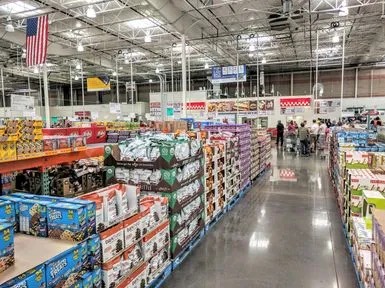
Photo: Costco sample station shoppers taking free food samples warehouse store, via cdn.britannica.com
I did not go to Costco intending to research brand strategy. I went for paper towels, a rotisserie chicken, and the kind of Saturday errand that feels productive because you are pushing a cart. Then I passed the first sample cart, and something clicked: every tiny paper cup was a 15-second pitch.
Twelve stations later, I had a rotisserie chicken getting cold in my cart and a notebook full of scribbles. I was not tracking calories or coupons. I was tracking the moment shoppers decided whether to stop, hover, nod, or walk away. Which, if you work with brands in any capacity, is the whole game.
The sample cart is a 15-second collab
A sample station is a miniature creator deal. A brand has a product, a message, and a person standing between them and an audience. The audience is hungry, skeptical, and already halfway to the frozen aisle. Nobody owes the cart their attention.
The successful stations understood that. The unsuccessful ones acted like the free bite was a contract. It is not. It is a tiny, low-stakes invitation. That distinction is exactly where a lot of 2026 brand pitches go sideways.
What earned a second lap
Three stations got repeat traffic. I watched people loop back with a friend. One was a frozen dumpling setup where the person running it asked if I liked spice, offered a sauce, and did not block the aisle with a speech. Another was a protein bar station where the person knew the texture, the sugar count, and the difference between two flavors without reading from a card. The third was coffee. No hard sell. Just a small cup and a sentence about the roast.
The pattern was not complicated. Specific, useful, low-pressure. The pitch felt like help, not a performance. In creator terms, those are the deals where the brief leaves room for your actual voice. You can explain the product because you understand it, not because someone handed you a script with three mandated phrases.
What got the polite nod
Plenty of stations got the polite nod. That is the shopper version of a comment that says, so excited about this collaboration, without any detail that proves a human wrote it. The polite nod happens when the pitch arrives before the taste. Someone says you need this before you have even taken a bite. Someone reads the label aloud like a hostage statement. Someone tries to upsell a membership, a coupon, or a bundle before you have decided if the product is any good.
Shoppers are kind. They take the cup. They nod. They leave. But the nod is not conversion. It is distance with manners.
I kept thinking about how many brand deals operate in that same polite-nod zone. The product arrives. The brief arrives. The creator posts something technically correct and completely forgettable. Everybody did the thing. Nobody felt anything. The audience scrolls past and the brand calls it awareness.
The part no upfront can buy
A free sample can buy a first bite. It cannot buy a second one. That is the rule I kept coming back to.
In creator collabs, an upfront fee can buy a slot on the calendar. It can buy a deliverable. It can buy a nice-looking set, a decent hook, and a caption that hits the required talking points. It cannot buy the moment a person chooses to stop. It cannot buy trust, curiosity, or the small internal yes that makes someone lean in instead of keep walking.
The best stations on Saturday were not the loudest. They were the ones that made stopping feel easy. That is a useful test for a brand partnership, too. Does the deal make the audience feel invited, or does it make them feel cornered? The answer usually shows up in the comments, the saves, and the quiet unfollows nobody talks about.
My 2026 brand-pitch gut check
I left Costco with five questions I now use on creator deals. They are not fancy, but they work.
-
Would I stop if no one asked me to?
-
Is there one useful, specific thing I can share in a single bite?
-
Does the brand want my voice, or just my applause?
-
What happens after the first taste? Is there a real reason to come back?
-
Is the ask clear and small enough to respect the audience's time?
If a pitch fails the first question, the rest rarely save it. If it fails the third, I already know how the comment section will feel. If it fails the fifth, the post might perform and still leave everyone tired.
The best moment didn't ask me to clap
Near the exit, there was a station with crackers and a small tub of cheese spread. No sign I could read from ten feet away. No speech. The person behind the table said, try it if you want. I did. I bought the cheese. That was the entire experience.
It worked because it did not demand enthusiasm. It offered a sample and then got out of the way. That is the energy I want in a 2026 collab: less performance, more second laps. Less begging for the clap, more trust that the product can do some of the talking.
I went home with paper towels, a chicken, and a rule. If a brand pitch feels like a sample cart grabbing my wrist, I pass. If it feels like a tiny paper cup and a person who actually knows the product, I will take the bite. The audience will, too.