Twelve People, One Hill Each: What My 2026 Pop-Culture Poll Revealed About Us
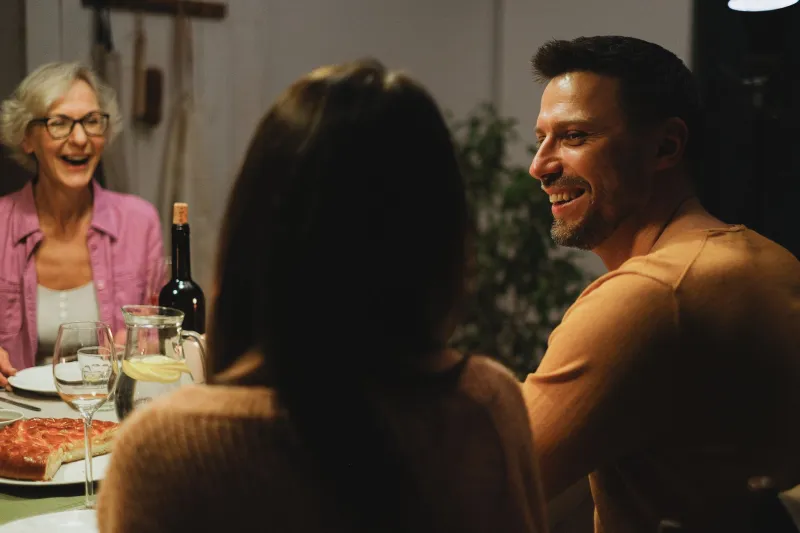
The rules were simple, and I read them out loud so nobody could lawyer their way around them.
One hill. One opinion about 2026 pop culture you would stand on in a courtroom, under oath, with a friend on the other side of the aisle. No hedging, no "well, it depends," no naming three things and calling it one. Twelve people. Ages 19 to 71. A group chat, two aunts, a neighbor, and a former coworker I still text about television.
Eleven of the twelve answered in under four seconds. That's the first finding, and honestly it surprised me more than anything that came after.
The Hills, Mapped
The arguments sorted themselves into four camps without me trying.
The Finale Camp (three people). All three defended a divisive series finale that left things unresolved on purpose. Maya, 34, was the loudest: "An ending that explains itself is an ending that doesn't trust you." Her brother took the other side and they did not speak for the length of one appetizer.
The Format Camp (three people). These were the "it should have been a miniseries" people, the "this movie had two endings and needed one" people, and the "the album rollout was better than the album" person — my friend Nia, who made that case so well I've now adopted it.
The Behavior Camp (three people). One hill was about an awards-show host, not the winners. One was about a celebrity interview that got clipped into a hundred reaction videos and misread by everyone. One was about a sequel that a friend insists was better than the original "and I will not be taking questions."
The Unclassifiable Camp (three people). A viral cookbook whose recipes "do not work, and I've tested forty of them." A reunion tour that one person swears was improved by an absence. And then Marcus, 41, who broke the whole exercise open.
The Hill That Won
Marcus didn't name a movie. He didn't name a show. He named a commercial.
Specifically, the ninety-second brand spot that ran in the spring — the one with almost no dialogue that half the internet rewatched on purpose and the other half insisted was overrated. His argument, delivered with the calm of a man who has thought about this in the shower:
"A film takes two hours to earn a feeling. This took ninety seconds and I still remember where I was standing. That's craft. If it had a director's name on it, we'd call it the best short of the year. It does have a director's name on it, actually, and nobody wanted to say it out loud."
I pushed back. Ads are engineered to sell things. Marcus nodded, entirely unbothered. "So is everything else. The difference is this one was honest about it."
I polled the group on which case was strongest. Marcus won, six votes to four, with two abstentions from people who wanted to keep arguing about the finale.
Why a Commercial Beat Out the Movies
Here's what I think happened, and it took me a week to admit it.
We've spent years watching brands and creators inch toward each other and mostly make a mess. But 2026 was the year a lot of that work got genuinely good — not good enough to fool anyone, just good enough to be worth watching twice. When the craft is there, the line between "content" and "advertising" stops behaving the way we were taught it should.
And the people I polled aren't naive. Half of them work in marketing-adjacent jobs. They know a spot is a business decision wearing a nice coat. They defended it anyway, because the thing they were actually defending was the idea that a short, small, commercial thing can still be art if somebody cared enough while making it.
That's a bigger claim than "this movie is too long." That's the one I'd take to court.
The Pattern Nobody Planned On
Three things stood out across all twelve answers.
First, almost nobody argued about plot. Not one hill was about a twist, a death, or a mystery box. Every single one was about craft or conduct — how something was made, or how somebody behaved while making it. We've gotten picky about process.
Second, everyone brought receipts. Priya pulled up the timestamp of the interview clip she was defending. Tyler had a photo of a failed recipe. Nia quoted a track listing. This wasn't opinion-swapping. It was evidence.
Third, the people who disagreed loudest agreed on the most. Maya and her brother fought for twenty minutes about an ambiguous finale and then discovered they both thought the same show was badly lit.
What It Says About How We Watch Together
My takeaway is not that we've gotten more argumentative. It's that we've gotten more specific.
We're not fighting over whether something was good anymore. We're fighting over whether the last four minutes earned the previous eight hours, whether a host's tone matched the room, whether a recipe actually works in a normal kitchen with normal equipment. The arguments got smaller and more defensible, and honestly? Better.
A vague opinion is a mood. A specific one is a hill.
Aunt Rosa, 71, put it better than I could when I called to thank her. She'd picked a celebrity interview as her hill — the one where the interviewer asked the question everyone wanted asked and then just let the silence sit there.
"Everybody wants to talk about whether it was polite," she said. "Nobody wants to talk about whether it was true. I'll defend true."
Twelve people, twelve hills, one shared instinct: we want to know what a thing cost to make. Money, time, someone's composure in a chair. That's the culture conversation of 2026, whether or not it ever shows up in a year-end list.
Next year I'm doing twenty people. I already know who's going to be difficult about it.