The Three-Steal Tote: Eight Friends, Twelve Cheap Brand Gifts, and a White Elephant With No Polite Captions
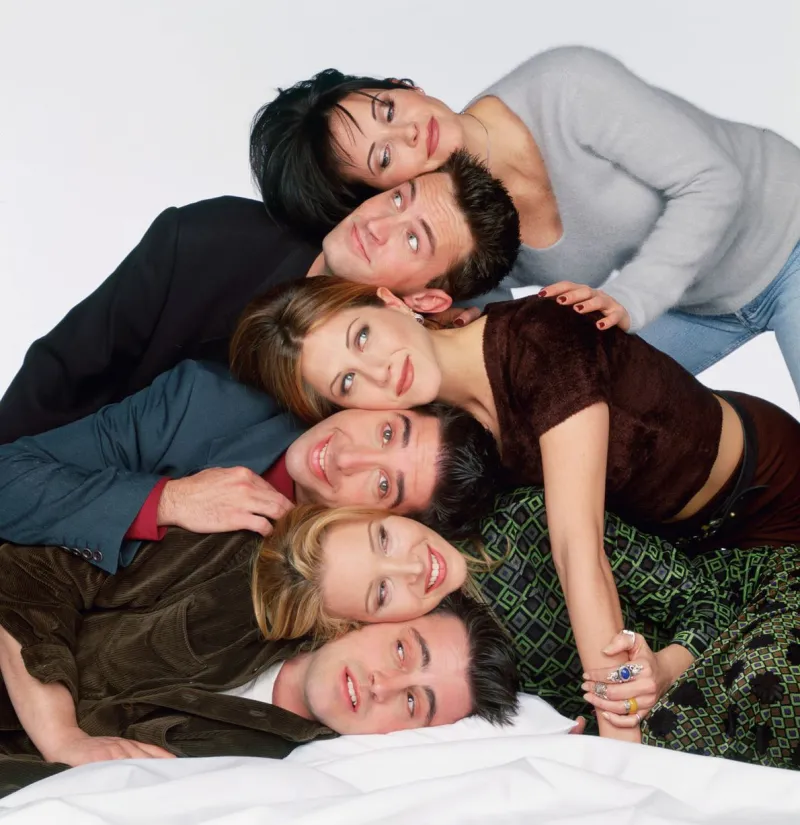
Photo: friends white elephant gift exchange wrapped presents living room holiday party, via i2-prod.mirror.co.uk
Last weekend I hosted an early Friendsgiving white elephant with eight friends and twelve wrapped items. No one knew who brought what. I did know, because I had spent the previous week raiding a year's worth of conference totes, PR mailers, and creator-kit extras. Every item had a stated retail value under $10, and every item had a logo somewhere. I handed out numbers, poured cider, and watched a pile of freebies become a focus group with wrapping paper.
The Rules Were Simple, the Judgment Was Not
Eight players, twelve gifts. Round one: each player opened one gift. Round two: steals, with a three-steal limit per item. Round three: a leftover draft for the four unopened items, then a two-minute trading free-for-all. I logged every steal, every theatrical groan, and every item that got re-gifted before the cheese board came out.
I did not name brands at the party. I also won't name them here, because the point is not to dunk on a specific company. The point is that a white elephant table is one of the most honest brand audits you can run without a survey, a focus group facility, or a single polite caption.
The Items That Kept Getting Stolen
Three items separated from the pack: a small-logo canvas tote from a finance app, a plain black beanie from a wellness brand, and a compact cable organizer from a tech accessory company. The tote was stolen three times. The beanie got stolen four times. The cable organizer went twice.
None of them were fancy. The tote had a flat bottom and a zipper pocket. The beanie was soft, not scratchy. The cable organizer looked like something you'd buy at Target and forget was branded until you needed it.
Notice the pattern: low logo-to-usefulness ratio. The logo was small, the job was obvious, and the item could leave the house without turning the wearer into a sandwich board.
The Items That Got Left on the Table
Then there were the duds. A branded fidget spinner stayed on the table through three rounds. A lip balm with a logo the size of a quarter got passed around like a hot potato and was eventually donated to the hostess pile. A second tote, this one from a wellness brand, with scratchy straps and a giant screen-printed slogan, was opened, admired politely for exactly four seconds, and quietly placed under a chair.
One friend called the lip balm a business card that tastes like vanilla. Another said the fidget spinner felt like a booth prize from a conference that did not want to be there. Harsh? Yes. Useful? Extremely.
The $10 Ceiling Tells the Truth
Here is what I keep thinking about: the price ceiling was not the problem. Every item cost less than a movie ticket. The difference was whether the brand had done the small work of making the freebie feel like an object instead of an ad. The beanie and the tote were not expensive. They were specific. The duds were vague. They said we have a marketing budget and nothing else.
White elephant is a brutal little audit because nobody is performing gratitude for a camera. There is no caption. No one says obsessed unless they mean it, or unless they are trying to steal the beanie. The table does not care about your brand voice deck. It cares about whether the zipper works.
Wearable vs. Leaveable
I started sorting the twelve items into two piles: wearable and leaveable. Wearable did not literally mean clothing. It meant the item could enter someone's real life without friction: a mug that fit in a cup holder, a notebook that lay flat, socks that did not pill in the first wash. Leaveable meant the item required a polite excuse. It was too loud, too flimsy, or too obviously a leftover.
The stolen items had one more thing in common: they did not ask the person to promote the brand. The beanie had a tiny woven tag. The tote's logo was on the inside pocket. The cable organizer had a logo on the bottom, where cables go to hide. These were gifts, not assignments.
That distinction matters more than the price tag. A $6 item that fits into someone's routine beats a $10 item that needs a paragraph of explanation. Free does not automatically mean valuable. Sometimes free is just inventory with a logo on it.
What This Means for Creator Kits
I have accepted a lot of creator-kit extras this year. Some were lovely. Some were the equivalent of a branded fidget spinner. The white elephant made me realize I have been asking the wrong question when a package arrives. I used to ask, Is this nice enough to post? Now I ask, Would someone steal this from a friend?
That is not a perfect test. It is a little savage. But it is honest. If a freebie only works when it is photographed next to a caption, it is not swag. It is set dressing. The stuff people actually wear, use, and fight over tends to be quieter and more useful than the pitch deck that birthed it.
The One Thing I'm Changing
I am putting a sticker on my own creator-kit wish list: under $10, small logo, one clear job. No more items that need a paragraph of explanation. No more eco totes that feel like sandpaper. No more lip balm as a business card.
At the end of the night, the beanie went home with my friend Dana, who stole it twice and then guarded it like a purse. The fidget spinner went into my donate bag. The scratchy tote is currently holding recycling in my garage, which is maybe the most honest review I can give it.
Next holiday season I am inviting the same eight friends and asking them to bring nothing. I will supply the freebies. I already know the table will tell me the truth.