The Yearbook Superlatives for 2026 Pop Culture: Who's Most Likely to Become a Brand and Who Peaked at Prom
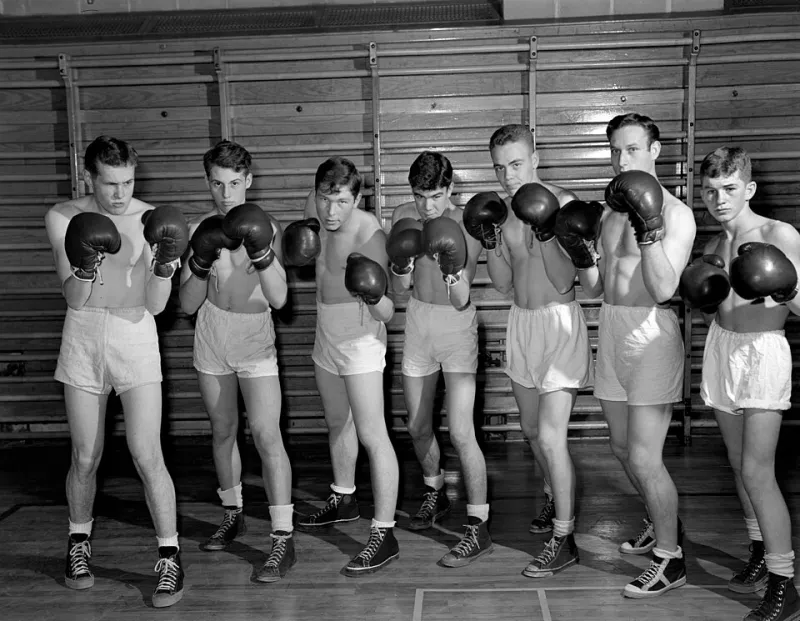
Photo: doe-oakridge, Public domain, via Wikimedia Commons
There is a very specific kind of joy in a yearbook superlative. Nobody votes for Most Likely to Succeed because of a rigorous evaluation process. They vote because it's senior year and the printer deadline is Friday. Which is exactly the right energy for looking back at 2026 pop culture, a year that produced some genuinely great things and also a forty-second video of a dog refusing to get in a car.
So here's the yearbook. I've assigned the superlatives, written the little paragraph underneath each photo, and — because this site is what it is — added the only forecast that matters: what brand deal each of these is heading toward.
Most Likely to Become a Brand
The pick: the recovery aesthetic. Ice baths, magnesium, weighted eye masks, a bedtime that starts with the letter nine.
This one has been building for a couple of years, but 2026 is the year it stopped being a hobby and started being a personality. Somewhere in the last twelve months, sleep became a flex. People announced their bedtime the way they used to announce a marathon.
Brand forecast: near-certain. This is a mattress, a supplement, or a bedding line, and it's probably already in a conference room somewhere. The only real question is which one gets there first and whether the ad is charming or unbearable. Recovery brands have a habit of taking themselves extremely seriously, which is how you end up with an eight-minute ad about cellular restoration.
Best Glow-Up
The pick: the legacy reality franchise that stopped being mean.
You know the genre — twenty years of manufactured conflict, reunion episodes that felt like depositions. This year, one of those shows quietly rebuilt itself around people actually liking each other, and it was the most watchable it's been in a decade. Turns out the drama was never the point. The casting was.
Brand forecast: strong. Warm, group-hug reality is a natural fit for a home-goods retailer or a grocery chain trying to look like it feeds families. The risk isn't the deal. The risk is the show getting so advertiser-friendly it loses the edges that made the glow-up work.
Biggest Eye-Roll
The pick: the surprise drop that had a four-month marketing calendar.
I love an unannounced release. I love it so much more when it's actually unannounced. This year's version came with a countdown, a teaser, a second teaser for the teaser, and a merch capsule announced before the artwork was. At a certain point surprise just means we decided not to put the date on the poster.
Brand forecast: high, and that's the eye-roll. Mystery-box marketing is a delivery app's love language. Expect a stunt with a countdown clock and a cryptic caption nobody needs to decipher.
Most Likely to Peak at Prom
The pick: the trailer that broke the internet and the movie that didn't.
The two-minute cut was genuinely thrilling — better than most of what actually came out. The film arrived in the spring, everyone saw it opening weekend, and by the following Tuesday the conversation had moved on like a bus leaving a stop. No one was angry. That's the worst review you can get.
Brand forecast: zero, and that's the lesson. Hype without a follow-through has no commercial legs. Brands can smell that from a mile away, and it's why the studio tie-ins for this one dried up by summer.
Teacher's Pet
The pick: the show the critics protected all year.
Every year there's one title that gets a level of critical care usually reserved for foreign films with a runtime of three hours. This was it. And listen — it deserved most of it. But there's a specific tone critics use for a show they've decided is Important, and that tone scared off about half the audience it needed.
Brand forecast: awards-season-adjacent, which means luxury-adjacent, which means a beautiful, tasteful campaign that nobody remembers by March. Fine money. Low ceiling.
Class Clown
The pick: the flavor collaboration nobody requested.
There was a chain-restaurant menu item this year that existed purely to be screenshotted, and it worked. I'm not going to pretend I didn't think about it. I will say that the gap between funny enough to post and good enough to finish was never wider than in 2026.
Brand forecast: already happening, constantly, forever. This is the one award that renews itself annually. Next year it will be a different flavor and the exact same play.
Most Changed Since Freshman Year
The pick: the movie theater, somehow.
Look, I've spent a lot of 2026 writing about screens. But the theater had a genuinely interesting year — smaller releases, weirder events, more of a you had to be there energy. The rooms were full on the nights that felt like something. The rooms were empty on the ones that didn't.
Brand forecast: localized and quiet. Ticket bundles, popcorn tie-ins, a night-out package with a ride-share company. Nothing splashy. Everything built around making one specific Tuesday feel like a plan.
Senior Superlative: Best Couple
The pick: the streaming service and the live event.
Nobody at the start of the year would have put these two at the same lunch table, and now they're insufferable about each other. Live programming did more for subscription retention than any slate announcement in recent memory. It turns out people will still show up at a specific time if you give them a reason.
Brand forecast: this is the whole strategy for next year. Expect sponsors to buy into the watching — the countdown, the red carpet, the group chat — rather than the show itself.
The Part Where I Sign the Yearbook
Here's the pattern underneath all of it: the things that had commercial legs in 2026 were the things that made room for people. Warmth, participation, a reason to be somewhere at a certain time. The things that flopped were gorgeous and empty and expected you to do the marketing for them.
Same rule as always. Brands don't fall for a great trailer. They fall for a full room.