Four Hours in Gate C12: I Let a Snack Machine Judge Nine Brand Pitches and It Beat My Gut Instinct
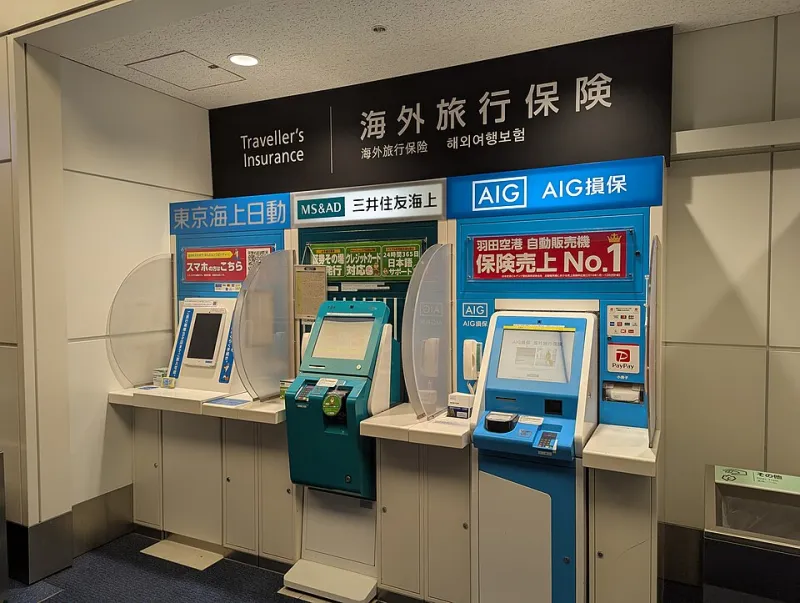
Photo: Momiji.Takinogawa, CC BY-SA 4.0, via Wikimedia Commons
I have exactly one airport rule: do not make decisions in a terminal. Airport brain is real. It's the same malfunction that convinces you a $19 turkey sandwich is reasonable and that you should text your ex from the moving walkway.
But on a four-hour layover in early November — gate C12, the one with carpet that smells faintly of pretzels — I broke my own rule on purpose. Nine brand pitches were sitting in my inbox, every single one of them ending with some version of just let us know by Friday. Nine. My laptop was at 6 percent and the only working outlet in sight had a man asleep on top of it.
What I did have was a $20 bill and a vending machine with a touchscreen that had clearly not been updated since the second Bush administration.
The Rules of the Machine
Here's how the game worked. I numbered the nine pitches in the order they hit my inbox — one through nine, no reshuffling. That part matters. The second you start curating the list, you've already made the decision and the machine is just theater.
Row A got pitch one. Row B got pitch two. All the way down to a sad protein bar on E4 that had a photo of a mountain on it. If the coil turned and the snack dropped clean, that pitch got a green light. If it hung up in the spiral, or fell at an angle and just sat there wedged against the glass, that pitch got a red light. If the machine gave me two items for one code, I owed it a favor.
I want to be upfront that I know this is not data. This is a coin flip in a lab coat. That is precisely why it worked. My actual decision-making process in November had gotten so layered with notes, redlines, and vibes checks that I couldn't hear myself think. The machine has no notes app. The machine has a coil and a grudge.
What Dropped Clean
Six of nine snacks came out without a fight. A bag of pretzels, two kinds of chips, a cookie, a pack of gum, and something labeled cheddar crisps that were neither.
Here's the thing: a clean drop did not mean a good deal. I went back through those six pitches the next morning with coffee and actual wifi, and only one of them survived contact with the details. The other five were the kind of offers that look great in a subject line and terrible in paragraph four — usage rights in perpetuity, no approval on edits, a payment window measured in fiscal quarters.
So the machine's six clean drops turned out to be mostly noise. What mattered was where it choked.
The Two It Got Right
**One: it jammed on the biggest check.**The loudest pitch in the pile — the one with the biggest fee and the nicest deck — got stuck in the spiral at B3. I stood there and actually said are you kidding me out loud to a machine. I'd been leaning yes. Two days later I sent that contract to a friend who does this for a living, and she found an exclusivity clause that would have locked me out of two categories for eleven months. The machine wasn't being difficult. The machine was being a lawyer.
**Two: it dropped the plainest snack for the weirdest pitch.**Pitch number seven was a small regional brand I'd never heard of, with a fee that would cover a nice dinner and not much else. The machine gave me a bag of pretzels. Just pretzels. I almost threw them in my bag and forgot about them — which is exactly what I'd been doing to that email for three weeks.
I ended up saying yes to that one. It's the only pitch from the whole nine that I'd do again tomorrow. Smaller check, better people, and they let me write the way I actually talk.
What It Got Wrong
Fair is fair. The machine also dropped a granola bar that landed at an angle — technically out, technically stuck, a yes and a no at the same time. I read that as cosmic ambiguity and overthought it for two days, which is the exact behavior the whole experiment was supposed to cure. That pitch needed a no. I gave it a maybe. It eventually died on its own, the way maybes do.
That one's on me, not the coil.
The Receipt Is Still in My Wallet
I answered all nine by that Friday. Two yeses, seven polite no's, and one very confused brand manager who wanted to know why my reply mentioned pretzels.
The total cost of the experiment was $20 and about eleven minutes. A lawyer costs more. A bad exclusivity clause costs a whole lot more.
I'm not saying you should let a snack machine run your business. I'm saying that when you've been circling a decision for three weeks, your instinct has already voted and you just keep recounting the ballots. The machine didn't know anything I didn't know. It just made me say it out loud.