The Two-Stamp Rule: I Sent 15 Handwritten Notes After 2026 Brand Deals and Learned Who Deserves a Repeat
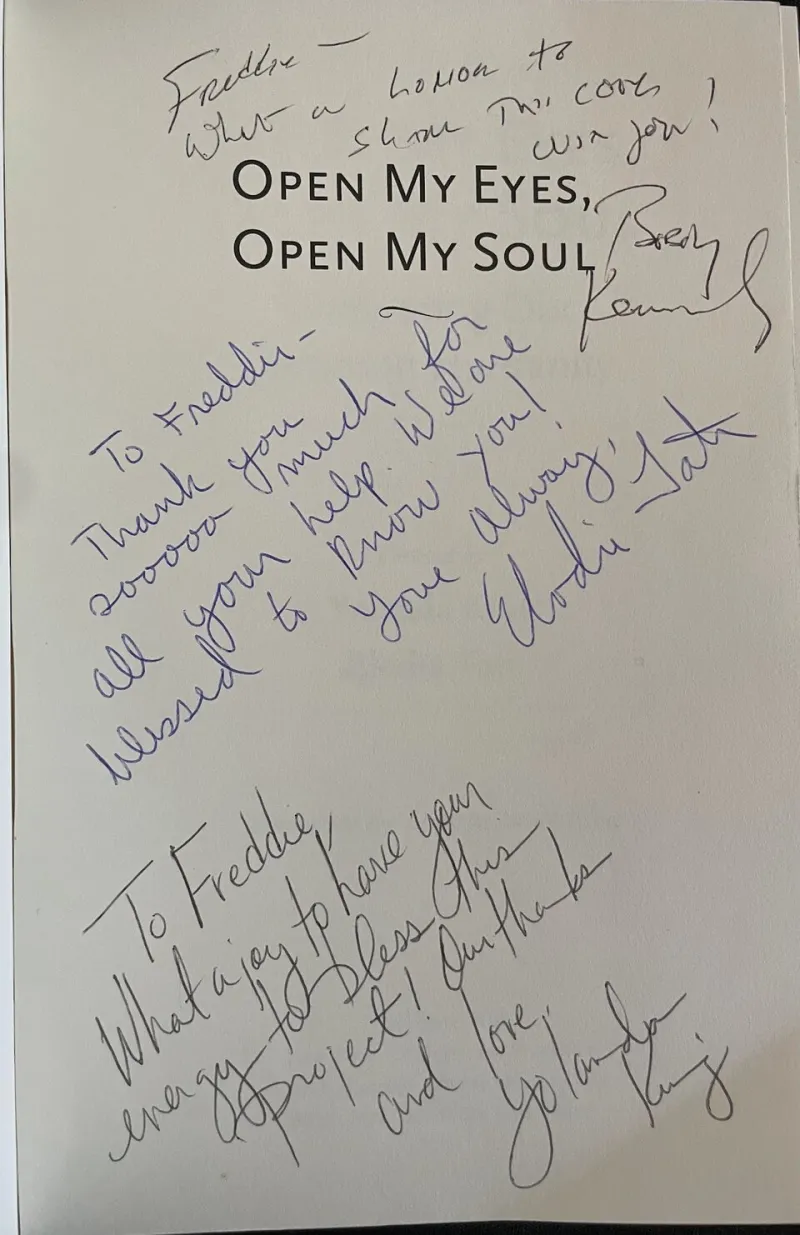
Photo: SaludyAmor, CC BY-SA 4.0, via Wikimedia Commons
In January 2026, I started a spreadsheet for brand work. By November, it had 15 completed collaborations in it: sponsored posts, a couple of video integrations, one event host gig, and a handful of product deals that looked small on paper but ate real hours. Every contract had wrapped. Every invoice had been paid. And every brand had sent some version of the same closing email: thanks for partnering with us.
That email is fine. It is also the last thing most creators ever hear from a brand unless there is another deal on the table. So I decided to run a tiny, old-fashioned experiment. I bought a box of thank-you cards at a drugstore, wrote 15 notes by hand, and mailed them through USPS first-class. No asks. No discount codes. No pitch for a second campaign. Just a real thank-you for the work.
Only two brands wrote back. This is not a revenge piece. It is an etiquette audit, and it turned into one of the most useful filters I have ever used in this business.
The Setup: Fifteen Notes, Zero Asks
I kept the experiment as boring as possible on purpose. Each note went to the same kind of contact I had worked with during the campaign: sometimes a marketing manager, sometimes a talent coordinator, sometimes a founder at a smaller company. The message was almost identical every time. I thanked them for the project, mentioned one specific thing I appreciated about how it came together, and signed off with my return address.
The only variable was the brand. I did not include a media kit. I did not remind anyone that I was available for holiday campaigns. I did not even include my email address, because it was already in their system. The whole point was to see what happens when a creator shows up after the transaction is over with nothing to sell.
I tracked replies in a column called post-deal behavior. I was not looking for gifts. I was looking for evidence that a human being on the other side remembered the collaboration as a relationship and not just a line item.
What Two Replies Actually Looked Like
One brand sent a card back. An actual card, signed by two people I had worked with, with a short line about the shoot day and a joke about the weather. It probably cost them four minutes and a stamp. It is now on my desk.
The second reply was an email. It came from a community manager I had never met, not the person who hired me. It was three sentences long. She said she remembered the campaign, thanked me for the note, and told me she had passed it along to the team. No swag. No code. No follow-up ask. It was warm and specific enough that I believed her.
Those two brands moved to the top of my repeat list. Not because they sent me anything, but because they proved they could respond like people after the contract closed. That matters more than a nice call sheet.
The Generic Swag Reply
One brand did respond, technically. A box arrived about two weeks later with branded socks, a sticker sheet, and a postcard featuring a QR code for 15 percent off my next order. There was no note. No name. No mention of the project.
I am not mad at the socks. I am just clear about what that box was: an automated fulfillment process wearing a friendship bracelet. It answered the question, what do we have in the warehouse? It did not answer the question, do we remember you?
That brand is not on my never-again list. But it is in the transactional bucket. If the pay is right and the brief is clear, I would work with them again. I just will not confuse the relationship for something warmer than it is.
The Silence Was the Loudest Data
Twelve brands never replied. Some were large companies with layers of approvals. Some were small teams where I genuinely liked the people. A few of those silent brands had been perfectly lovely during the campaign, which is exactly why the silence was interesting. It suggests that the warmth was real but bounded. Once the invoice clears, the relationship resets.
I do not think every silence is malicious. People are busy. Handwritten mail gets lost. A thank-you note does not come with a task, so it can fall to the bottom of the pile. But as a creator, you learn something from that pile. You learn where the relationship actually lives.
Why This Matters in 2026
Brand deals are crowded. My inbox gets pitches every week, and I know the people sending them are juggling a dozen creators at once. Post-contract behavior is not a perfect predictor of how a brand will act when a deliverable goes sideways, but it is a preview. If a team cannot acknowledge a note with no strings attached, how are they going to handle a revision request, a late payment, or a misunderstanding about usage rights?
The answer is not always bad. But the pattern is useful.
The Two-Stamp Rule
Here is the practical takeaway I am carrying into next year. After a collaboration ends, I will spend two stamps on a brand I would genuinely work with again. One stamp for the thank-you note. One stamp for the follow-up if the first note goes unanswered. After that, I stop spending energy trying to make a one-sided relationship feel reciprocal.
I sort brands into three buckets now. The first bucket is people who reply like humans. They get priority on future pitches and flexibility on smaller projects. The second bucket is swag-only responders. They get standard terms and no extra enthusiasm. The third bucket is silence. They can still get a yes if the money, the brief, and the audience fit are excellent, but they do not get the benefit of the doubt.
That is not bitterness. It is allocation. Creators give away a lot of unpaid warmth in this industry. It is okay to notice who gives any back.
The experiment cost me about $11 in stamps and one evening of writing. In return, I got a much clearer picture of which 2026 collaborations were partnerships and which were transactions. Two brands wrote back. That is not a scandal. It is a filter, and I am keeping it.