The Folding Table Focus Group: 40 Tchotchkes, One Saturday, and a Hard Lesson About 2026 Hype
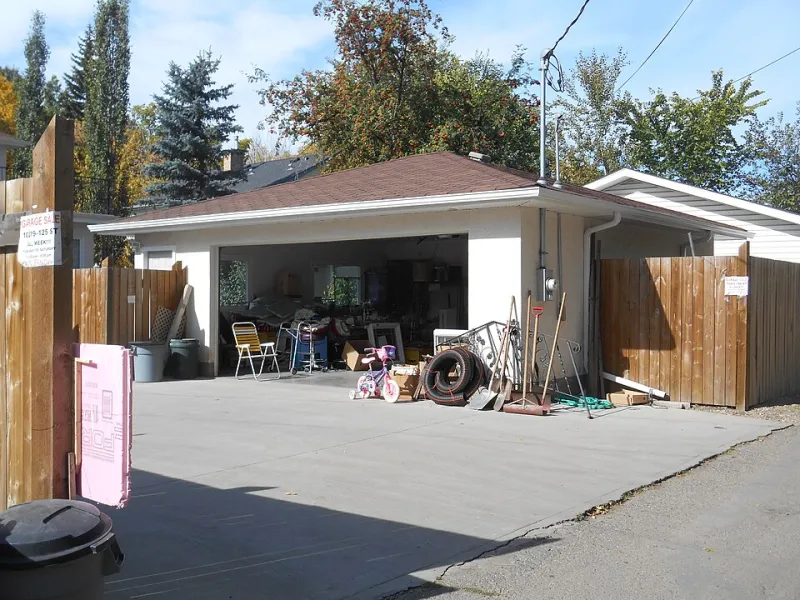
Photo: Carlos Duarte Do Nascimento from Toronto, Canada, CC BY 2.0, via Wikimedia Commons
I didn't plan to turn my driveway into a pop-culture referendum. But when I finally faced the bins of promo swag, convention freebies, and 'limited edition' collab merch I'd accumulated over the past decade, I realized I had a choice: keep pretending I'd display it all someday, or let strangers tell me the truth. So I bought a folding table for $18, made a few handwritten signs, and hosted a one-day garage sale. Forty items. One Saturday. No returns.
I called it a taste test because that's what it was. Not of the items themselves — I already knew what I thought of them — but of the hype that made me buy them in the first place. And the results were less about collectibility and more about what people actually want to live with in 2026.
The Setup: Priced to Confuse
I priced everything low on purpose. A limited-edition brand collab candle from 2022 (genuine history, not a dig) at $3. A Funko Pop of a streaming show character who got killed off in season two at $5. Enamel pins from a 2023 tour at $1 each. A tote bag from a 2024 festival that had never held anything heavier than a paperback at $2. The 'limited edition' hoodie I paid $85 for — sold out in minutes online, if you believe the receipts — got a $6 sticker.
I wasn't trying to make money. I was trying to see which items made people stop, pick them up, and ask a question. That stop-and-ask moment felt like the real appraisal.
By 8:15 a.m., I had three cars parked on the street and a man in a camo hoodie examining a ceramic mug with a discontinued logo like it was a used car. 'Is this vintage?' he asked. I told him it was from 2019. He nodded slowly and put it down. That was the first clue.
The Fast Movers: Utility Wins
The things that sold in the first hour had almost nothing to do with hype. A plain canvas tote bag — no logo, no collab — went for $2 to a woman who said she needed something for library books. A set of four mismatched enamel pins sold for $3 total to a teenager who liked the colors. A branded water bottle that I'd gotten free at a 2023 event sold for $1 to a dad who said, 'I lose these constantly.'
The one exception was a small vinyl figure from a 2022 brand collaboration that had actual cultural staying power — people still quote the campaign. A guy in his thirties picked it up, turned it over, and said, 'Oh, I remember this.' He paid the $5 without haggling. That was the only item all day that sold because of the story attached to it rather than what it could do.
That felt like a pattern: utility beats nostalgia, but nostalgia beats pure novelty. If an item had a job, someone wanted it. If it had a memory, someone might want it. If it was just rare, it sat.
The Stubborn Shelf: Hype Without a Hook
By 10 a.m., the table had a clear 'dead zone' — the left corner where I'd put the items I was most sure would sell. A limited-edition sneaker collaboration from 2021 that I'd never worn because they pinched my toes. A signed poster from a 2023 pop-culture convention. A boxed set of trading cards from a brand tie-in that got a lot of press and then disappeared from conversation.
People picked them up. They turned them over. They put them down. One woman asked, 'Are these worth anything?' I said I didn't know, and she said, 'I don't want to buy something just because it might be worth something.' Another guy looked at the sneakers and said, 'These are cool, but I'd never wear them.'
The signed poster sat until 1 p.m., when a kid bought it for $2 because he liked the colors. The sneakers went to a reseller for $8 who admitted he'd probably flip them online. The trading cards didn't sell at all. As I packed them back into a bin, I realized the common thread: each item required the buyer to already care about the hype. And in 2026, strangers at a garage sale don't care about hype. They care about what they can use, wear, or genuinely love.
What Buyers Said About Hype vs. Staying Power
The best part of the day was the commentary. It was honest in a way that focus groups never are, mostly because no one was being paid to be polite.
'This is just stuff,' one woman said, gesturing at the table. She wasn't being mean. She was being practical. She bought a stack of plain white T-shirts I'd gotten as promo swag in 2024 for $1 each and said, 'These I'll actually wear.'
A twenty-something guy picked up a branded keychain from a 2023 collab and asked, 'Is this a collector's item?' I said maybe. He said, 'Then I'll pass. I don't need another thing to collect.' He bought a used paperback for fifty cents instead.
The most telling moment came when a woman in her fifties examined a limited-edition candle that had been part of a 2022 brand partnership. She smelled it, nodded, and said, 'This is nice, but I have three candles at home I haven't burned yet.' She put it down. That sentence has been echoing in my head ever since.
What I'm Keeping (and What I'm Not)
I didn't sell everything, and I didn't want to. A few items survived the cut because they passed a different test: I reached for them without thinking. A tote bag from a 2024 event that I actually use for groceries. A small framed print from a 2023 art collaboration that makes me smile every time I walk past it. A notebook from a brand deal that I've filled with story ideas.
Those aren't hype items. They're tools or talismans. And in 2026, that's the only kind of pop-culture artifact that earns shelf space in my house. Not the ones with the best launch campaign. Not the ones that sold out in minutes. The ones that make everyday life a little better or a little more fun.
The Takeaway I Didn't Expect
I thought the garage sale would tell me which items were valuable. Instead, it told me which items were honest. The fast movers had a job to do. The stubborn shelf items were waiting for someone to care about the story more than the thing. And most people, on a random Saturday in 2026, just want the thing that works.
That's not a knock on hype. Hype is fun. It's why we watch trailers and buy concert tickets and get excited about brand collabs. But hype is a moment. Staying power is a relationship. And when I look at my own table — literal and metaphorical — I want more of the latter.
Next time I'm tempted by a 'limited edition' anything, I'm going to picture that folding table and ask myself one question: would a stranger pick this up and ask a question, or would they just put it down? That's the only review that matters.